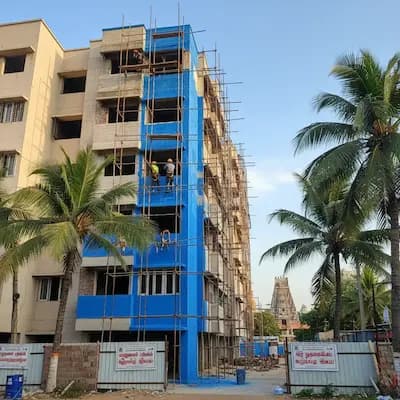

Signs that exterior walls need attention
Look for hairline or wider cracks, peeling paint, chalking, algae, dark damp patches, swollen plaster, failed window sealant, and water marks below coping or pipes. These symptoms point to different repair needs.
Inspect after rain where possible. Wind-driven water can enter facade cracks and window edges that appear dry during normal weather.
- Cracks around windows, slab edges, and wall junctions
- Peeling, bubbles, chalking, or hollow plaster
- Algae, stains, and persistent damp areas
- Failed sealant, coping, pipe, and AC penetrations
Repair water-entry defects before painting
The source may be an exterior crack, terrace parapet, window perimeter, plumbing penetration, or roof edge. Each defect needs a compatible repair method before primer and paint.
Loose plaster and paint should be removed to a sound edge. Cracks must be classified because a stable hairline crack and a moving structural crack should not receive the same filler.
- Trace dampness to its source
- Remove loose paint and weak plaster
- Repair cracks with the appropriate flexible or rigid system
- Reseal openings and correct roof-edge defects
Choose a paint system for Chennai exposure
Exterior products should suit strong sunlight, humidity, rain, pollution, and coastal salt exposure where applicable. Product selection must follow substrate condition and primer compatibility.
Colour also affects appearance and maintenance. Very dark colours can show fading and surface variation more clearly, while textured finishes can hide minor unevenness but need careful cleaning and repair later.
- Compatible masonry primer
- Weather-resistant exterior topcoat
- Anti-fungal support where conditions require it
- Coastal-resistant system for salt-exposed areas
Plan timing, access, and future maintenance
Painting needs suitable dry weather for preparation, primer, coating, and curing. Do not compress the schedule if rain is expected, because trapped moisture and interrupted curing can affect adhesion.
Plan scaffolding or access equipment, protect neighbouring property, and inspect completed edges around windows, pipes, coping, and balconies. Keep leftover product details for future touch-ups.
- Choose a stable dry-weather window
- Allow each layer to dry as specified
- Use safe height access and protect adjacent surfaces
- Inspect walls annually and repair local defects early
Need this handled on site?
We inspect the problem before quoting. That keeps the repair scope, materials, and timing aligned with the actual condition of the slab or roof.