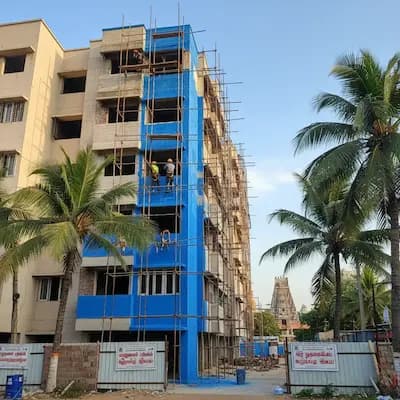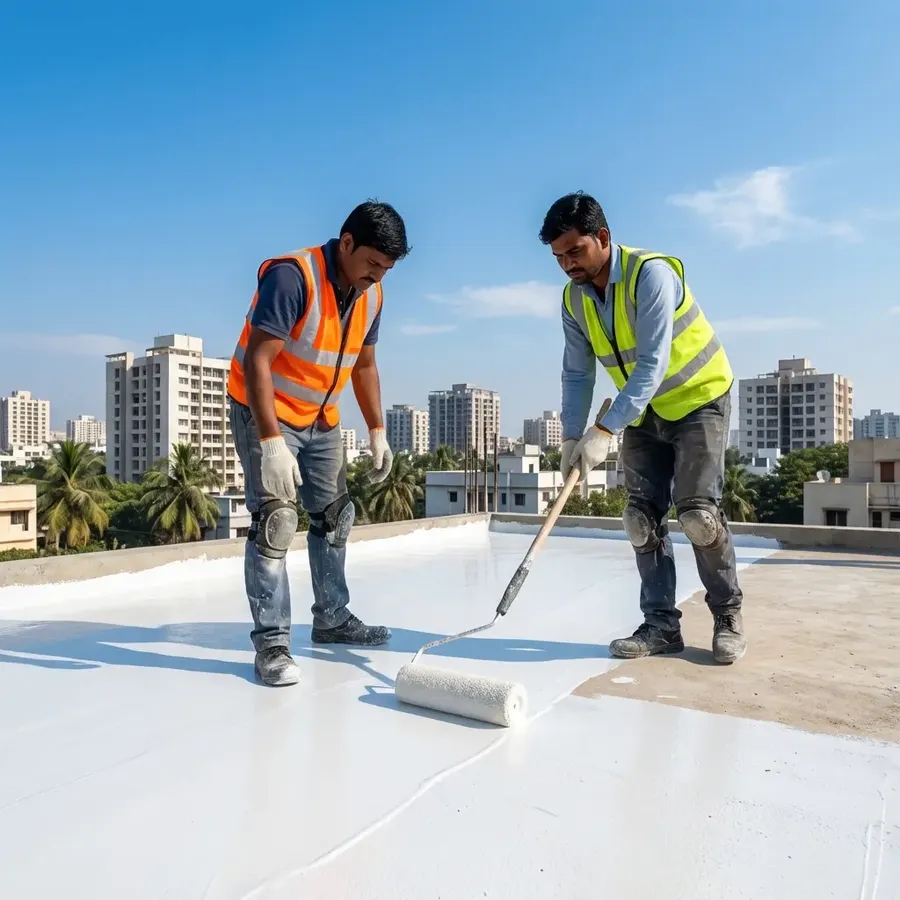

Where commercial buildings commonly develop leaks
Large roofs move with heat and often contain many penetrations for ducts, pipes, cables, equipment, and drainage. Expansion joints and changes in construction material are common weak points when maintenance is delayed.
Warehouses and apartment blocks may also have long drainage paths. Blocked outlets or local depressions create ponding that accelerates coating failure and increases load on vulnerable joints.
- Expansion and construction joints
- HVAC, pipe, cable, and equipment bases
- Rainwater outlets, gutters, and downpipes
- Parapets, facade joints, basements, and podiums
What a commercial waterproofing audit should record
The audit should map defects by zone, record moisture symptoms below, identify previous systems, and classify repairs by urgency. Photographs and measurements make the proposal easier for facility teams to review.
The contractor should also identify access restrictions, shutdown windows, safety controls, material storage, and areas that need protection from dust or odour.
- Defect map with photographs and dimensions
- Moisture locations and affected operations
- Existing material and compatibility assessment
- Access, safety, phasing, and testing requirements
How to phase work without disrupting operations
Phasing divides the roof or building envelope into manageable zones. Active leakage and high-risk electrical or occupied areas should be handled first, followed by preventive sections during suitable weather windows.
Facility managers should receive a sequence showing barricading, working hours, curing restrictions, water-test zones, and reopening conditions. This reduces conflict with tenants and maintenance teams.
- Prioritise active and safety-critical leaks
- Coordinate noisy or odorous work outside peak hours
- Protect equipment and occupied areas below
- Sign off each zone before the next phase begins
Preventive maintenance after waterproofing
A new system still needs routine inspection. Roof traffic, new equipment installation, blocked drains, and unauthorised drilling can damage a sound membrane or coating.
Schedule checks before and after the northeast monsoon, and require contractors installing equipment to reseal penetrations using materials compatible with the waterproofing system.
- Clean outlets and gutters regularly
- Inspect joints and penetrations before monsoon
- Control roof access and equipment work
- Keep repair records, warranties, and inspection photographs
Need this handled on site?
We inspect the problem before quoting. That keeps the repair scope, materials, and timing aligned with the actual condition of the slab or roof.